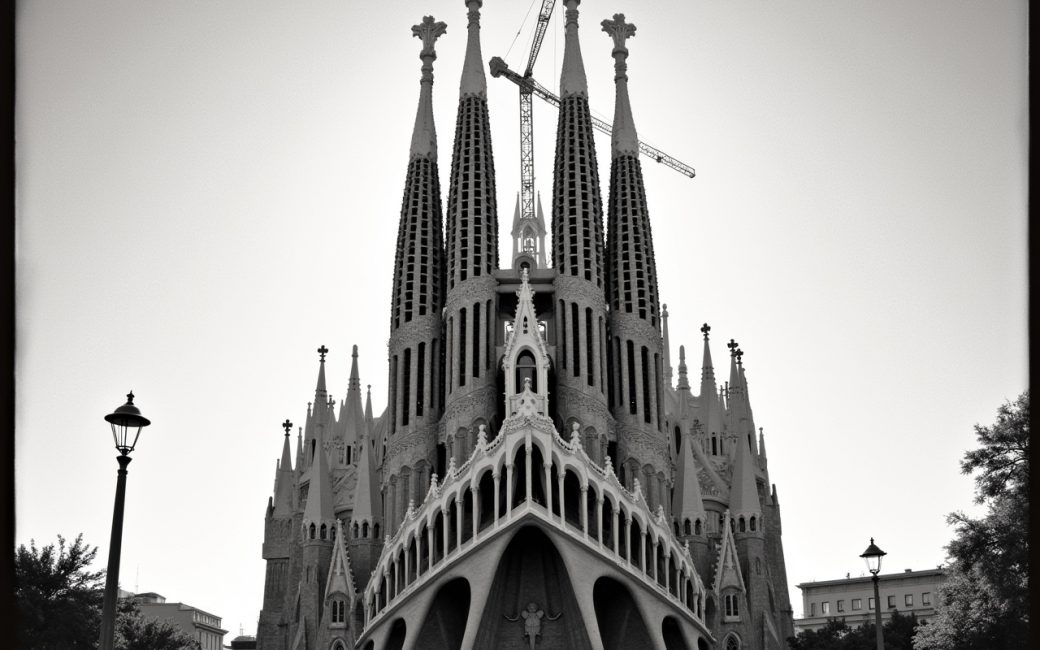
Short trip of a few days forces a shortlist of sights
Most visitors have a few days in Barcelona, and that is not enough time to see everything the city holds, so the itinerary has to be decided before landing rather than worked out on the ground. Almost everything on a shortlist traces back to one architect: Antoni Gaudí, the Catalan Modernista whose unfinished basilica, hillside park and two apartment buildings on Passeig de Gràcia between them account for most of what a first-time visitor plans a day around.
The three names that dominate any conversation about the city are the Sagrada Família, Park Güell, and the paired "casas" — Casa Batlló and Casa Milà, standing a short walk apart on the same boulevard and often visited back to back. Building a plan around these first, then filling in around them, is more efficient than trying to see the old town and the Gaudí sites in the same afternoon.
The trade-off is queuing. Each of these sites runs on timed or capacity-limited entry precisely because demand outstrips the space inside, and turning up without a ticket at midday in high season means either a long wait or no entry at all. A discussion thread on the Rick Steves travel forum, where past visitors compare notes on a first Barcelona trip, repeatedly comes back to the same point: buy Gaudí tickets before the flight, not after arrival, because slots for the best-known sites go first and the closer to the visit date, the fewer options remain — community.ricksteves.com.
The practical fix is simple and worth doing in this order:
- Book the Sagrada Família for the first morning slot of the day, when light is better for photos and queues are shortest.
- Book Park Güell for the same day or the next, choosing an early or a late-afternoon slot rather than midday.
- Book Casa Batlló or Casa Milà next, checking both for whichever has an open slot closest to the preferred time, since entry systems for the two are run independently of each other.
- Leave the old town and any museums for the afternoons once the timed slots are locked in, so the day is built around fixed appointments rather than around guesswork.
Locking in those slots first means the rest of a short trip can be arranged around them instead of around whichever site still has tickets left.
La Rambla and the old town concentrate tourist footfall
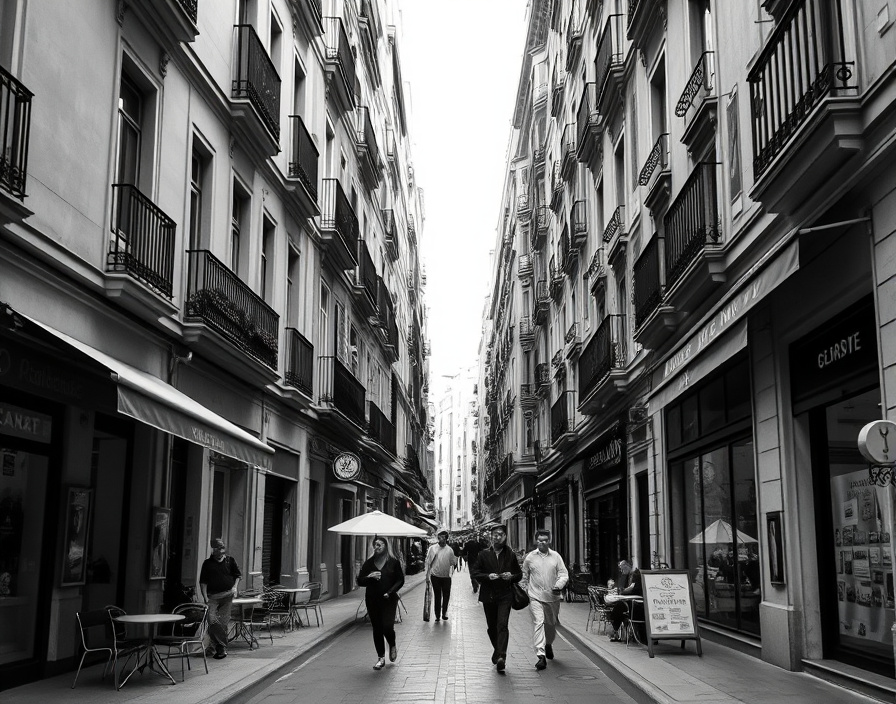
La Rambla and the Gothic Quarter around it hold the highest concentration of visitors in the city, which is exactly why they are also the streets where the experience feels least local. Shops along the boulevard skew toward souvenirs and quick food rather than the kind of trade residents use, and the density of people moving in both directions at once slows any attempt to actually look at the buildings around them.
The fix is not to skip the area but to treat it as a passage rather than a destination, and to spend the saved time in neighbourhoods a few minutes further out, or in the old town's museums rather than only its streets. The Picasso Museum, built around the artist's early work and housed across several adjoining medieval buildings in the Born district, is the old town's best-known museum stop and a reasonable substitute for an hour otherwise spent shuffling along La Rambla itself. Contributors to the Fodor's community travel forum, comparing notes on where to send first-time visitors, point toward the residential grid of the Eixample beyond Passeig de Gràcia and toward the Gràcia neighbourhood as places that carry the same architecture and café life without the crowd — fodors.com.
An alternative day away from the main axis
A day built around this shift might run: a market visit away from the tourist-heavy La Boqueria stalls nearest La Rambla, an hour at the Picasso Museum or another old-town museum with a quieter entrance queue, a walk through Gràcia's smaller squares, and an afternoon at a museum or gallery that sits outside the old town's densest blocks rather than inside them. None of this requires giving up the headline sights — it simply moves the hours that aren't spent at a timed Gaudí entry into streets that are walkable rather than shuffled through.
| Route | Typical crowd level | Character |
|---|---|---|
| La Rambla to the Gothic Quarter core | High, worst late morning to early evening | Souvenir shops, street performers, dense foot traffic |
| Eixample side streets off Passeig de Gràcia | Moderate | Modernista façades, residential cafés |
| Gràcia neighbourhood | Low to moderate | Local squares, independent shops, fewer tour groups |
This is not a ranking of which route is more worth seeing — it is a way of spreading the same few days of sightseeing across streets that don't all peak at once.
Resident pressure against mass tourism is why the 'not welcoming tourists' question is asked
Searches asking whether Barcelona is unwelcoming to tourists are usually a reaction to something visible rather than to any single bad experience: friction between residents and the volume of visitors passing through the same handful of streets and squares has become a recurring theme in how the city is discussed. That pressure is real, and it shapes how residents respond to crowding around the most photographed spots.
None of this means avoiding the city — it means adjusting how a visit is spent, since the friction is concentrated in a few places and a few behaviours rather than spread evenly across Barcelona. A few adjustments make a visible difference:
- Spread sightseeing across several districts rather than looping the same three or four blocks near La Rambla every day.
- Use the metro and bus network, or a hop-on hop-off tourist bus, instead of concentrating on foot in the single most congested corridor.
- Treat residential streets, especially in the Eixample and Gràcia, as places people live rather than as backdrops, which mostly comes down to keeping noise down and not blocking building entrances for photos.
- Book restaurants and bars a short walk from the main tourist strip rather than directly on it, which also tends to mean better value.
None of these change what a visitor sees; they change how much of the day-to-day resident friction a visitor personally contributes to or notices.
Travelling with children narrows which attractions work
A family itinerary in Barcelona runs into a different problem than a solo or couple's trip: the two failure points are long queues and visits that are mostly architectural detail, both of which test a child's patience faster than an adult's. A morning spent waiting for a timed entry, followed by an hour of looking at facade ornamentation, is a reasonable use of an adult's attention and a difficult one for most children.
The fix is to keep the same landmark list but change how it's approached. Guides aimed at organising a Barcelona visit, including an overview of the city's better-known activities, consistently point to hop-on hop-off bus routes as a way to see the Gaudí sites and the waterfront from the outside without queuing for every stop, which matters more with children than with adults — traveloka.com.
Beyond the bus, three kinds of stop hold a child's attention better than a straight architecture tour:
- Parks with open space to move around in, rather than galleries that require quiet and close looking.
- Museums built around hands-on or sensory exhibits rather than static display cases, as distinct from a collection like the Picasso Museum that rewards slower, quieter looking.
- Waterfront or beach stretches that break up a day of walking with something physical to do.
Fitting one of these into each day, rather than stacking two or three timed architectural visits back to back, keeps the same sights on the itinerary while cutting the amount of standing and waiting that tends to end a family day early.
Start by picking the fixed Gaudí time slots for the days already committed, then build everything else — old town streets and museums, neighbourhood walks, and any family stops — around the gaps that are left.