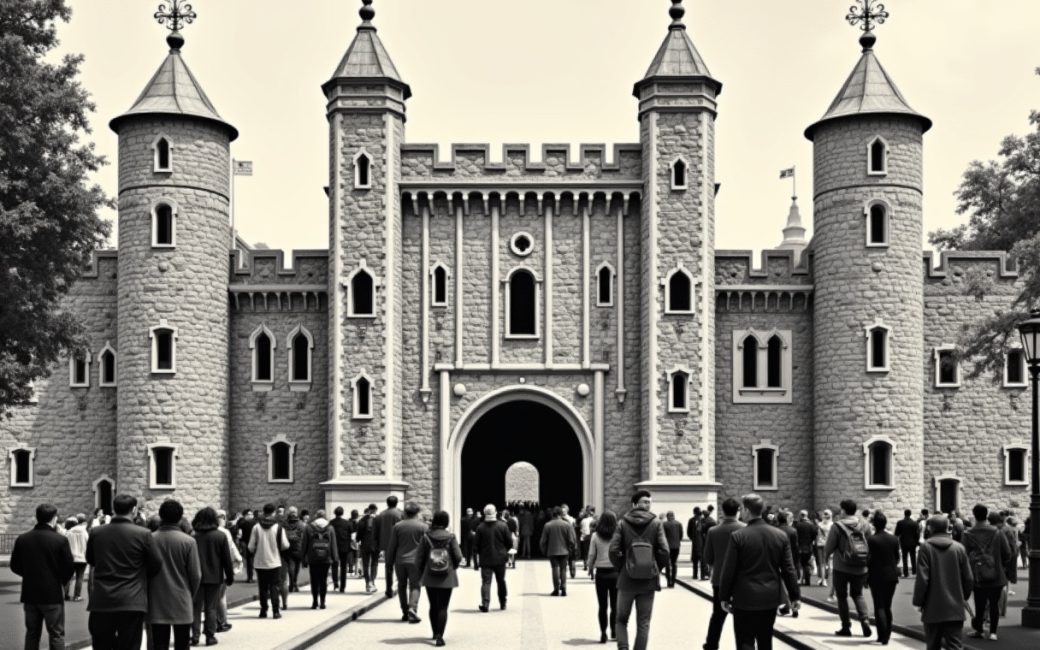
Headline paid sights draw the heaviest queues
The Tower of London and Buckingham Palace are the two sights that most reliably produce a wait, because both sell timed tickets but still see the heaviest walk-up volume of any attractions in the city. The queue at the Tower is worst in the mid-morning slot once coach groups arrive, and it barely exists in the first hour after opening. Buckingham Palace adds a second bottleneck: the Changing the Guard ceremony, which draws crowds along the railings whether or not anyone actually holds a ticket for the State Rooms.
The practical fix is not to book everything on a list — it's to identify which two or three sights on any given day are the ones where a timed slot actually changes the experience, and book only those. For the Tower and the Palace, that means buying a dated entry slot in advance and arriving at or near opening. For a free museum like the British Museum, arriving early mostly just means quieter galleries, not a shorter queue, since entry itself is free and unticketed for general admission.
A short trip cannot absorb 20-30 listed attractions
Most lists of London sights run to twenty or thirty entries, and no visit of a few days can cover that many without the day becoming a transit exercise. Long-form roundups such as the 25 most famous places piece work as reference material, not as an itinerary — trying to tick off every entry means repeated Tube changes and attractions seen for ten rushed minutes each.
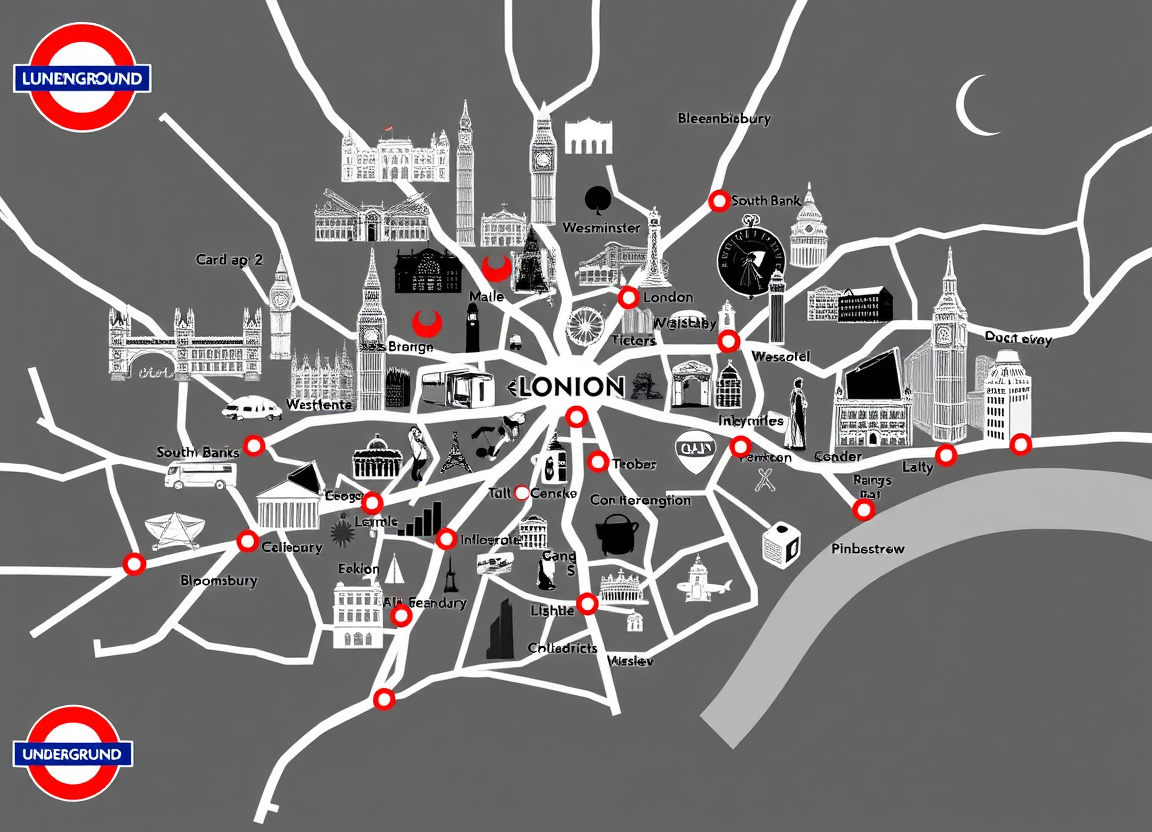
The fix is geographic clustering rather than a flat checklist. London's major sights sit in a handful of walkable pockets:
- Westminster — Westminster Abbey, the Houses of Parliament, Big Ben, St James's Park, a short walk to Buckingham Palace
- South Bank — Tate Modern, the Globe, Borough Market, the river walk toward London Bridge
- Bloomsbury — the British Museum, with Covent Garden a walkable extension south
- The City — Tower of London, Tower Bridge, and the free sights covered by City of London walking guides
Picking one cluster per day and covering it on foot, with the Tube used only to move between clusters, turns a list into an itinerary rather than a scavenger hunt.
Admission costs mount quickly across palaces and the Tower
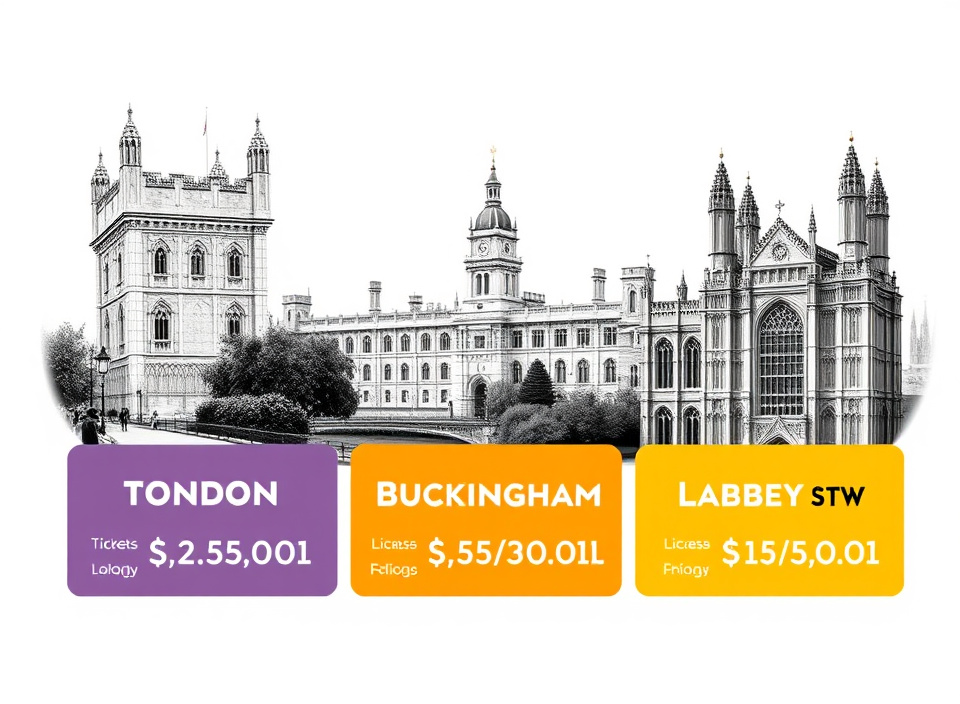
The paid sights on every list — the Tower of London, Buckingham Palace's State Rooms, Westminster Abbey — charge separate adult admission each, and stacking three or four of these in one trip adds up fast. The counterweight is that London's national museums, including the British Museum and Tate Modern, charge no general admission at all, a policy that holds across most of the major national collections.
A workable budget rule is to treat the free national museums as the default fill for open days, and reserve paid tickets for the one or two sights that genuinely can't be substituted — usually the Tower, for the Crown Jewels, and one royal or ecclesiastical site such as the Abbey or the Palace. That structure keeps a week's sightseeing cost anchored to a small, known number of paid entries rather than a running total across every attraction on a checklist.
Some famous attractions deliver less than their reputation suggests
Not every sight on a standard list rewards the time and money it costs. Reviewers and repeat visitors on longer-form guides regularly flag a handful of famous stops as skippable when a trip is short, including some of the sights bundled automatically into "must-see" roundups — the Rick Steves travel forum has recurring threads from visitors comparing which headline attractions were worth the wait against those that weren't, and a piece on touristy things worth doing splits its own list explicitly into sights worth the crowds and ones that aren't.
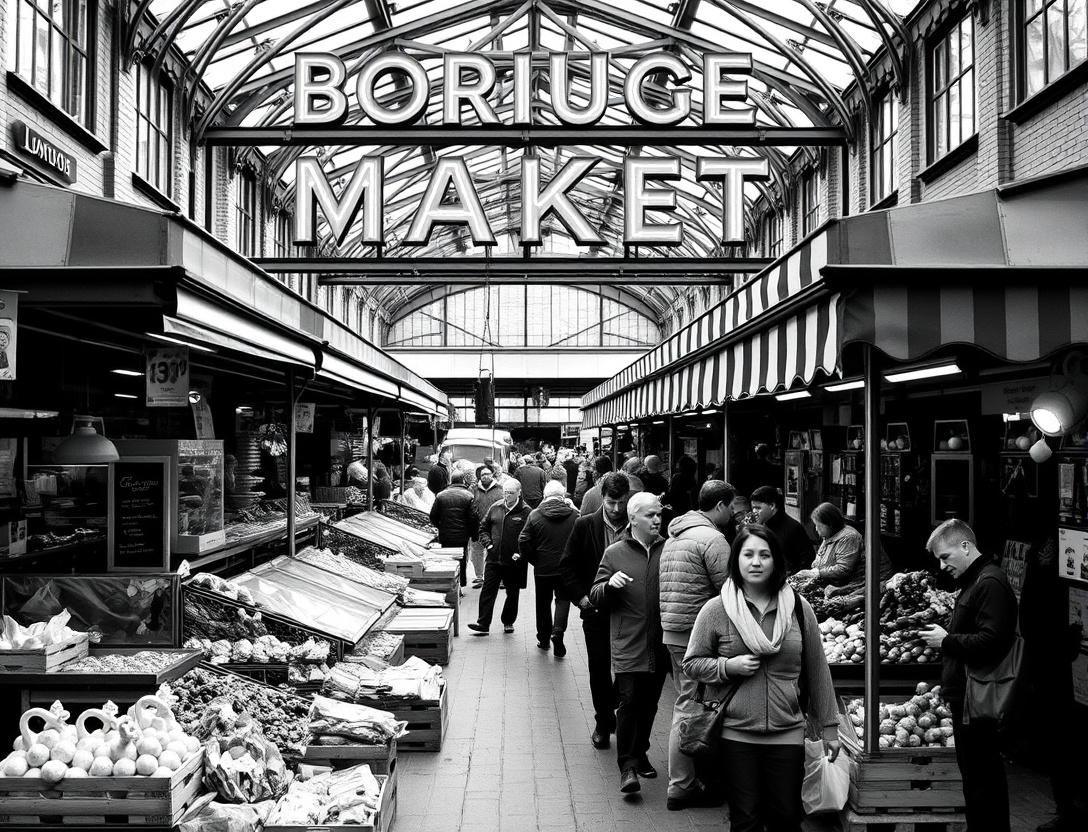
The practical move isn't to avoid these outright, but to have a substitute ready. If a wax museum or a themed experience was the plan for a free afternoon, a market — Borough or Camden — or a couple of hours in one of the royal parks does more with the same time and less money. Markets in particular reward unstructured time: there's no admission, no timed slot, and the experience scales from twenty minutes to half a day depending on appetite.
Westminster Abbey
Westminster Abbey is a working church and the coronation site for English and British monarchs, which is what separates it from a purely sightseeing stop — services and evensong run on a schedule that affects visitor access on some days. It sits inside the Westminster cluster, an easy walk from the Houses of Parliament and Big Ben, so it's rarely visited alone. Because it charges admission and draws steady tour-group traffic, arriving early or checking the day's service schedule before turning up avoids the worst crowding.
British Museum
The British Museum is free to enter and holds one of the broadest general collections in the city, which is why it anchors the Bloomsbury cluster on almost every itinerary. Its scale is the real planning problem: a visitor aiming to see everything will run out of a day before the museum runs out of galleries, so picking two or three collections in advance — rather than wandering — is the only way to see it without exhaustion. Covent Garden is a short walk south, making it easy to pair a museum morning with a market afternoon.
Tate Modern
Tate Modern is a modern and contemporary art gallery on the South Bank, and like the British Museum it charges no general admission, though major temporary exhibitions do carry a separate ticket. It sits within walking distance of the Globe and Borough Market, which makes the South Bank one of the more efficient clusters for covering multiple sights without a single Tube journey between them. The building itself — a converted power station — is part of the reason it draws visitors who aren't otherwise gallery-goers.
Houses of Parliament
The Houses of Parliament, paired visually with the clock tower known as Big Ben, sits at the Westminster end of the river and is usually photographed rather than toured on a short visit, since interior tours run on a limited schedule tied to parliamentary recess dates rather than daily general admission. For most visitors the building functions as a landmark to walk past between Westminster Abbey and the river, not a timed-entry stop requiring its own slot in the day.
London markets
Markets are the one entry that appears across nearly every list of things to do without functioning like a conventional attraction — there's no ticket, no fixed visiting time, and no single "correct" duration. Borough Market, near the South Bank cluster, and Camden Market, further north, are the two most commonly recommended, and guides to free things to do in the City point to smaller City-area markets as a no-cost option for a spare hour. Their real value on a tight schedule is flexibility: a market visit compresses or stretches to fill whatever time is left after a paid sight overruns or underruns.
What are the top 10 places to visit in London?
There's no official visitor-count ranking that fixes a single "top 10" — the lists in circulation are editorial selections, and they vary in what they include. A reasonable working ten, built from what consistently appears across roundups like 23 Top London Sights and 25 Most Famous Places, covers: the Tower of London, Buckingham Palace, Westminster Abbey, the Houses of Parliament and Big Ben, the British Museum, Tate Modern, Borough Market, Camden Market, St James's Park (or another central royal park), and Covent Garden.
The more useful frame than the list itself is the split it implies: four paid, ticketed sights (Tower, Palace, Abbey, and possibly a Parliament tour), two free national institutions, and the rest free-to-enter markets and parks that flex with however much time is left in a day.
Is $1000 enough for a week in London?
A budget of $1000 for a week covers sightseeing comfortably if it's treated as a sightseeing-only figure, since it excludes flights and, in most budgets, accommodation, which are the two largest costs of a London trip. Within that figure, the admission strategy above — free national museums as the daily default, one or two paid headline sights per week — is what makes the number workable, because stacking four or five paid attractions across a week is what blows a modest sightseeing budget, not the free museums or markets.
The variable that actually determines whether $1000 stretches is food and transport, not attraction tickets, since a week of Tube fares and daily meals will usually outweigh admission costs even with two or three paid sights included. Treating markets and parks as free-time fillers, rather than skipping them to save money, doesn't change the budget math at all — they cost nothing regardless.
What are 7 places to visit in London?
A tight seven, if only one day or two are available, drops the second museum and one market to leave: the Tower of London, Buckingham Palace, Westminster Abbey, the Houses of Parliament and Big Ben, the British Museum, Borough Market, and St James's Park. That set covers two clusters — Westminster and the City, or Westminster and Bloomsbury — depending on which paid sight gets priority, and it can be walked without excessive Tube transfers if the clusters aren't mixed on the same day.
The choice of which sight to cut matters more than which to add. Between Tate Modern and the British Museum, for instance, the decision usually comes down to whether South Bank or Bloomsbury fits better next to the day's paid sight — Tate Modern pairs naturally with the Tower via a river walk, while the British Museum pairs with Covent Garden and a Westminster day.
Pick the cluster that matches whichever paid ticket is already booked, build the day around a two-to-three-hour walking radius from there, and leave the rest of the list for a longer trip.