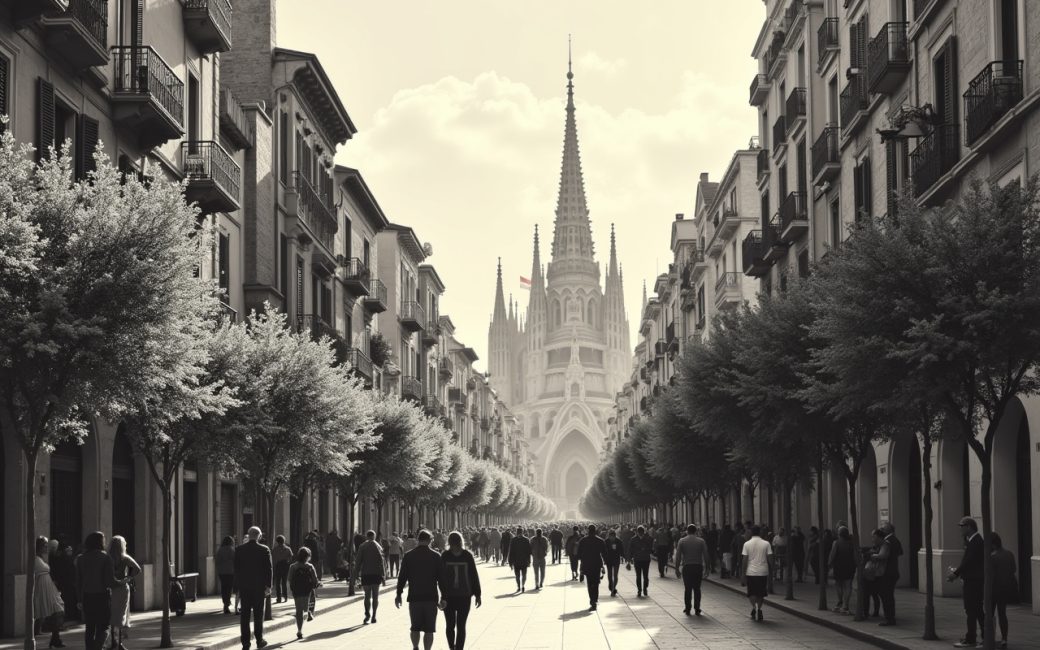
Short trip of a few days forces a shortlist of sights
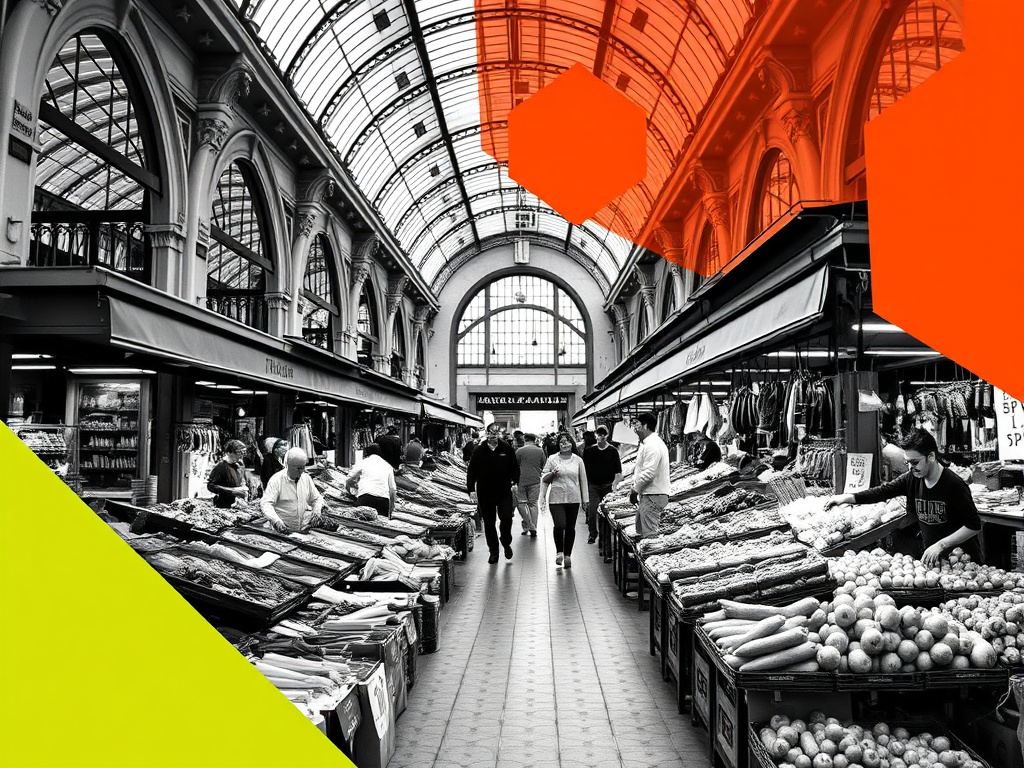
Three or four days in Barcelona is not enough to see every museum and every Gaudí building, so the practical question is which sights earn a fixed slot in the itinerary and which get left for a longer visit. Most short trips end up built around the same three names: Sagrada Família, Park Güell, and Casa Batlló, with Casa Milà often added as a fourth. These draw the heaviest demand and the longest queues, so they are worth locking into a schedule before anything else gets planned — and once they're fixed, a longer list of thirteen further sights fills in the rest of a trip without repeating the same crowded ground twice:
- Park Güell's monumental zone
- Casa Batlló
- Casa Milà
- Picasso Museum
- La Rambla and Boqueria market
- The Born district
- El Raval
- Barcelona Cathedral and the Gothic Quarter
- Barceloneta beach
- Montjuïc hill and its viewpoints
- Palau de la Música Catalana
- Bunkers del Carmel
- A residential-neighbourhood market or plaza away from the old town
The reason the first three cluster together is straightforward: all three are Gaudí's, all three are within a short taxi or metro ride of each other, and all three now run on timed-entry ticketing rather than walk-up queues. That means the order you see them in matters less than the times you book them for. A workable approach is to book Sagrada Família for first thing in the morning, Park Güell for late morning once the hillside has emptied out a little, and Casa Batlló for late afternoon, leaving La Rambla and the old town for the parts of the day when the light and the crowds are both easier.
Visitors comparing forums and guides on a first trip consistently flag the same problem: turning up without a booked slot at any of these three risks losing the whole afternoon to a queue, a point raised repeatedly in discussion among first-time visitors planning a Barcelona trip on the Rick Steves travel forum. Booking ahead, even a few weeks out, is treated less as a nice-to-have and more as the difference between seeing the interior and seeing only the outside.
La Rambla and the old town concentrate tourist footfall
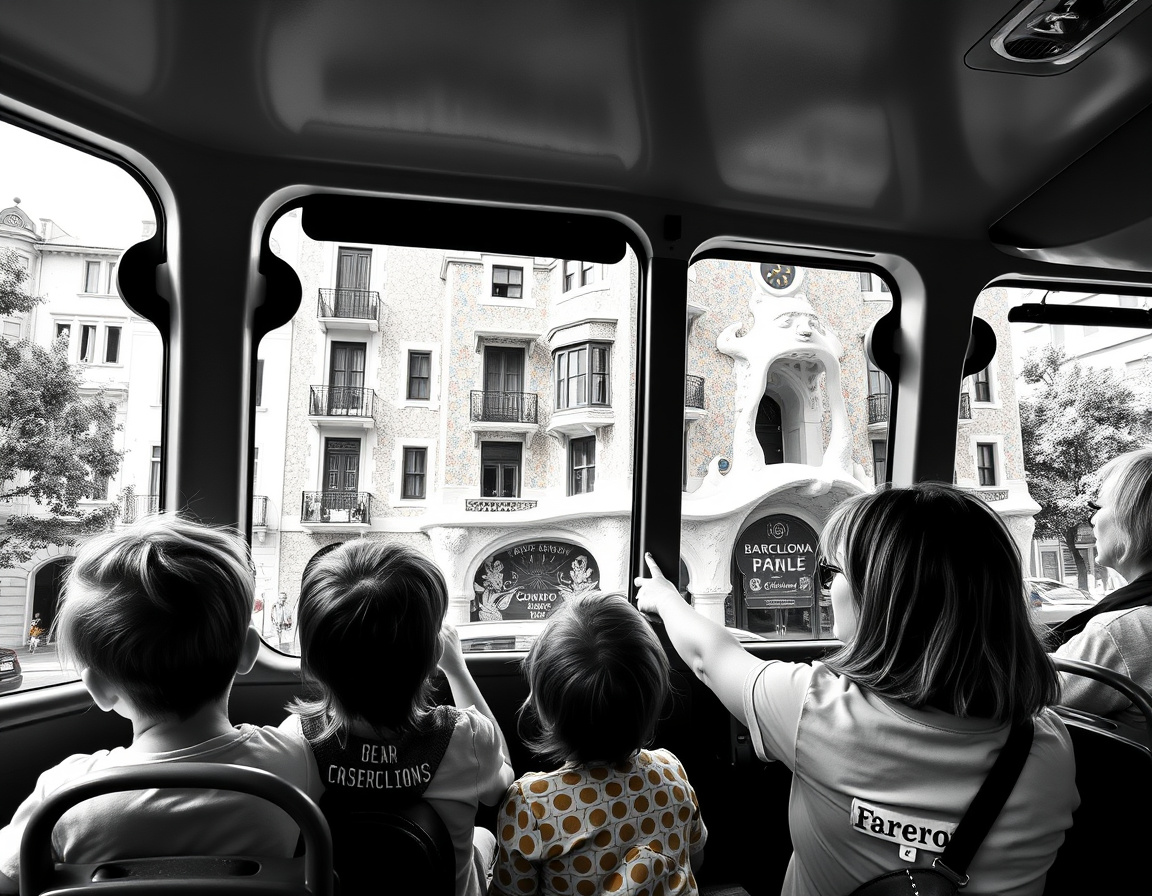
La Rambla is the street every guide uses to orient a Barcelona itinerary, which is exactly why it is also the most congested stretch in the city. It runs from Plaça de Catalunya down toward the port, threading past the Boqueria market and into the Gothic Quarter, and its position as the connecting spine means most walking routes funnel through it whether or not it is the actual destination.
The effect of that funnelling is a street that reads as thinner in local character than the neighbourhoods either side of it — souvenir stalls and set-menu restaurants replacing the food stalls and bars a resident would actually use. A shorter, less crowded version of the same day is available a few streets over: the Born district, the covered markets away from La Rambla itself, and museum visits timed for opening hour rather than midday.
- Start early at a smaller museum before the day's queues form, rather than mid-morning when tour groups arrive
- Route through the Born and El Raval instead of walking the full length of La Rambla twice
- Treat the Boqueria market as an early-morning stop, not a midday one, when it is easiest to move through
- Save the harbourside and beach for late afternoon, after the old town has thinned out
This gives a comparable day of sightseeing — market, old town streets, a museum, a landmark building — without spending most of it walking shoulder to shoulder on a single street.
Resident pressure against mass tourism is why the 'not welcoming tourists' question is asked
Anyone searching for whether Barcelona is unwelcoming to visitors is picking up on a real and ongoing tension rather than a rumor, though the shape of that tension is easy to overstate without evidence. The city has visibly wrestled with the scale of tourism it receives for years, and that friction has, at times, played out in public and in housing policy rather than staying an abstract complaint. None of it means visitors are turned away at the border, but it does mean certain streets, certain months, and certain behaviours attract more attention and more resentment than others.
The practical response for a visitor is not to avoid the city but to spread the visit across more of it. Concentrating every day in the same four or five landmark sites and streets is exactly the pattern that generates local frustration; splitting time across districts, using the metro and the tourist bus network rather than clustering everyone into taxis on the same three streets, and treating residential blocks as places people actually live in rather than photo backdrops all reduce the friction without cutting anything meaningful from the trip.
- Use public transport or the hop-on hop-off network rather than concentrating foot traffic on La Rambla and Passeig de Gràcia alone
- Choose a meal or a coffee stop in a residential neighbourhood instead of only in the old town
- Keep noise and photography considerate around apartment buildings, particularly in the evening
- Time landmark visits for opening or late slots so fewer people are queuing on the same block at once
This is less a rule list than a way of describing what "spreading the load" actually looks like on the ground, and it answers the underlying question directly: the tension is about volume and concentration in a few well-worn streets, not about visitors being unwelcome as such.
Travelling with children narrows which attractions work
A landmark list built for an adult itinerary does not automatically work for a family one, because the two failure points with children are the same every time: standing in a queue, and standing still inside a building looking at architecture. Sagrada Família and Casa Batlló both ask for patience that a young child does not reliably have, so the fix is not to drop them from the list but to change how they're approached.
Hop-on hop-off bus routes solve part of the queuing problem by letting a family see the outside of several major sights from a seat, saving the ticketed, timed-entry visits for the one or two buildings worth the wait. Barcelona's tourist bus network publishes a dedicated set of activities aimed at children riding the route, treating the bus itself as part of the day rather than just transport between stops, according to the operator's own children's activities page. Parks and hands-on museum spaces are the other half of the fix — Park Güell's outdoor space gives children room to move that an interior visit does not, and museums with interactive exhibits hold attention longer than gallery walls of paintings.
- Book timed entries for at most one or two architecture-heavy sights per day, not three
- Use the tourist bus for the sights that don't need a full stop, saving walking and queue time
- Build outdoor time — Park Güell, a beach stretch, a plaza — into the middle of the day, not just the end
- Choose one interactive or hands-on museum over a second historic building
Barcelona
Barcelona is the container for everything on this list — a coastal Catalan city where Gothic Quarter alleys, Modernista landmarks, and a working Mediterranean harbour sit within walking or short-metro distance of each other. That density is what makes a short trip workable at all: unlike destinations where sights are scattered across a region, most of what a first-time visitor wants to see sits inside a compact urban core, described repeatedly in general destination overviews of the city as a place where old town streets, beach, and landmark architecture are all reachable on foot from a single hotel base, per the overview in the Barcelona Destination Guide.
Sagrada Família
Sagrada Família is Gaudí's unfinished basilica and the anchor most itineraries build the rest of the trip around, which is exactly why the other thirteen sights above matter — they are what fills the days once this one is booked. It has been under construction for well over a century, and that ongoing construction is itself part of what's being viewed — scaffolding and cranes are visible from most approaches, and the building's completion date has moved repeatedly over its history. Entry is by timed ticket, and arriving without one booked in advance is the most commonly cited mistake among first-time visitors, discussed at length in the Rick Steves forum thread on first-trip planning.
The building rewards a slow visit rather than a fast one — the interior's stained glass changes character through the day as the sun moves, so a morning visit and a late-afternoon visit show a genuinely different building. For a first trip, treat it as the one sight worth returning to twice if the schedule allows it, rather than the one to rush through to get to the next stop.
Antoni Gaudí
Antoni Gaudí is the architect behind most of the buildings that make a Barcelona itinerary distinctive, and understanding roughly where and when he worked makes the rest of the list easier to sequence. His major public and residential commissions cluster in two areas of the city: Passeig de Gràcia, where Casa Batlló and Casa Milà stand a short walk apart, and the hillside site that became Park Güell. Because his work forms the core of what draws visitors to the city in the first place, general roundups of the city's best attractions treat Gaudí buildings as a category of their own rather than a single entry, as seen in broader attraction overviews such as USA Today's list of Barcelona attractions.
Visiting the buildings in geographic clusters — Passeig de Gràcia in one block of time, the hillside park in another — cuts down on backtracking across the city and makes it easier to fit a fourth or fifth sight into the same day.
Park Güell
Park Güell is the hillside park Gaudí designed, and it is the site most people mean when a Barcelona itinerary simply says "the park." It sits above the city on a slope, which is worth planning around: the site is built across uneven, sloped ground with stairs in several places, so anyone travelling with a pushchair or with limited mobility should expect to take a longer or indirect route through some sections rather than a straight path.
The paid, timed-entry monumental zone is the compact core with the mosaic terrace and the gatehouses everyone recognises from photographs; the rest of the park, the wider wooded hillside, is free to enter and walk. Arriving for one of the earliest available timed slots avoids both the midday heat on an exposed, largely unshaded hillside and the thickest crowds on the mosaic terrace, a pattern echoed in broader coverage of the city's outdoor sights, including the roundup at Expatica's guide to things to do in Barcelona.
Casa Batlló and Casa Milà
Casa Batlló and Casa Milà sit close enough together on Passeig de Gràcia that most itineraries treat them as a pair rather than two separate stops, even though only one typically gets a full interior visit on a short trip. Both are residential buildings Gaudí redesigned with the same organic, curved detailing that shows up across his other work, and both now operate as paid, timed-entry museums rather than functioning apartment blocks.
| Casa Batlló | Casa Milà | |
|---|---|---|
| Best known for | Curved façade and skeletal balconies | Undulating stone façade, rooftop chimneys |
| Typical visit length | Interior audio-guide tour | Interior tour plus rooftop access |
| Booking | Timed entry, books ahead on busy dates | Timed entry, books ahead on busy dates |
| Position on Passeig de Gràcia | Short walk from Casa Milà | Short walk from Casa Batlló |
For a first visit, picking one for a full interior tour and viewing the other from the street outside is a reasonable way to fit both into a single afternoon without doubling the ticketed time.
Picasso Museum
The Picasso Museum sits in the old town, a short walk off the routes most visitors already take between La Rambla and the Born, and it holds one of the largest collections of Picasso's early work rather than his best-known later paintings. That focus on the early period is what makes it worth a stop even for visitors who feel they've already seen Picasso's major pieces elsewhere — the museum's holdings trace his formative years in a way few other collections do.
Municipal museums in Barcelona, including this one, sometimes offer reduced or free admission at particular times, so it is worth checking the museum's own hours and pricing page before planning the day, since these windows vary and are set by the institution rather than by any general rule; broader museum listings for the city gather this kind of practical detail in one place, including the entries in museos.com's Barcelona A–Z. Building it into the same half-day as a Born district walk keeps the old town portion of the trip to one connected loop rather than several separate trips back and forth.
Set the Gaudí bookings first, choose two neighbourhoods beyond the old town to spend an afternoon in, and let the rest of the schedule fill in around those fixed points rather than the other way around.