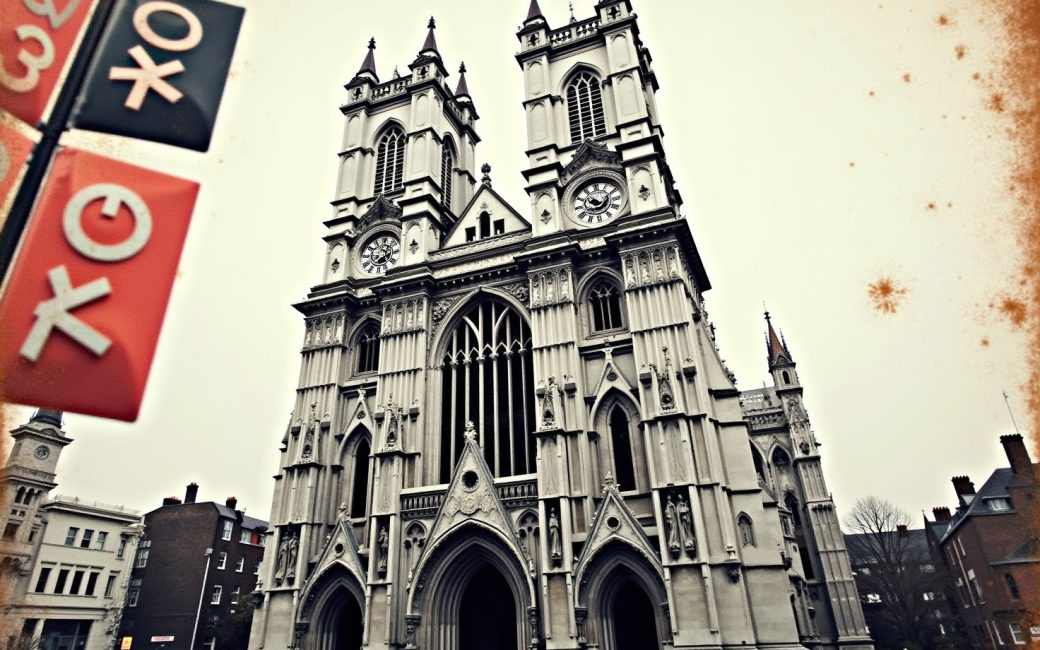
Headline paid sights such as the Tower of London and Buckingham Palace draw the heaviest visitor volume
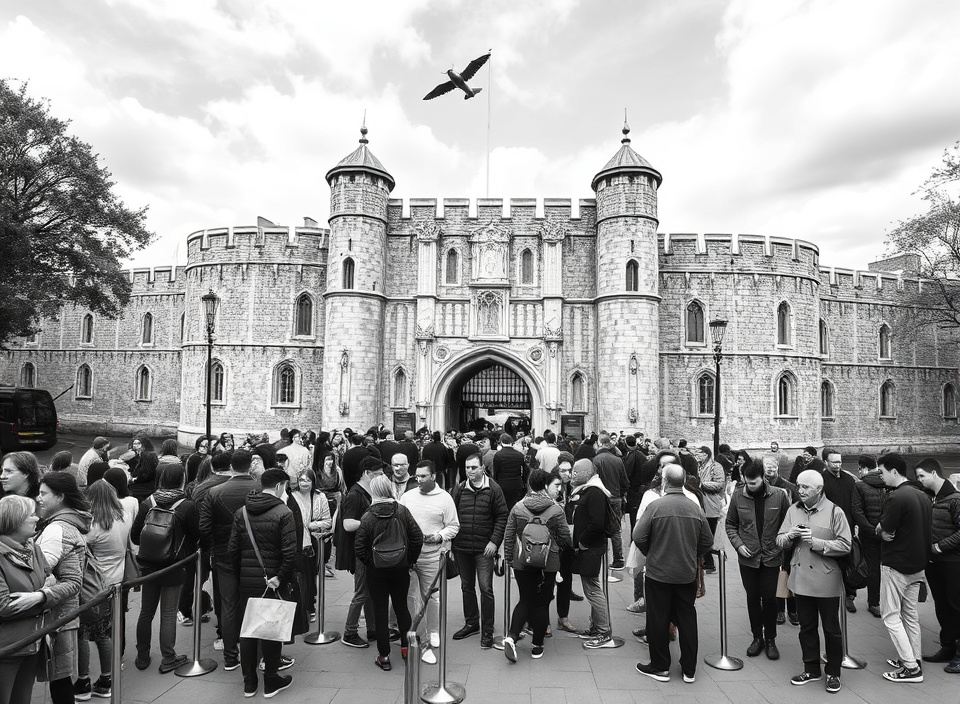
The Tower of London, Buckingham Palace and the Tower Bridge exhibition sit at the top of nearly every visitor itinerary, and that concentration of demand is exactly what creates the queues travellers complain about. When one small cluster of sights absorbs most of the first-time visitor traffic, the crowding at those specific gates gets worse while nearby, equally worthwhile places stay comparatively quiet.
The worst congestion tends to build mid-morning, once the first Tube trains from central hotels arrive and before tour groups have moved on to lunch. Peak season — school holidays and the summer months — compounds this, stretching a twenty-minute wait into something closer to an hour at the ticket booths and airport-style security lines that now precede entry to the Tower of London.
The fix is not stamina, it's sequencing. Booking a timed-entry slot in advance and arriving at or just before opening removes most of the wait, because the crowd that forms by mid-morning has not yet arrived. This matters more for some sights than others: the Tower of London and Buckingham Palace's State Rooms (open only in the summer opening period) benefit most from advance timed tickets, while a church interior or a public park rarely needs booking at all. Travellers deciding what to reserve ahead of a trip are better served asking "does this sight sell timed slots and does it sell out?" than reserving everything on a list indiscriminately.
A short trip cannot absorb 20 to 30 listed attractions
Most London guides run to twenty or thirty named sights, and a two- or three-day visit cannot fit all of them regardless of how early the mornings start. Each additional sight on a list adds not just its own visit time but a Tube transfer to and from it, and those transfers are where a rushed day actually falls apart.
London's sights cluster geographically, and using that clustering is the difference between a workable day and a day spent underground on the Underground. Westminster Abbey, the Houses of Parliament and Buckingham Palace sit within a short walk of one another around Westminster; the Tate Modern, Borough Market and the South Bank river walk form a second walkable cluster across the river; the British Museum and the surrounding Bloomsbury squares form a third to the north. A visitor who plans by neighbourhood rather than by a flat alphabetical list can cover three or four sights on foot in a morning instead of spending that time on transfers between disconnected postcodes.
A practical way to plan is to pick one cluster per day rather than one sight per hour:
- Westminster cluster: Westminster Abbey, the Houses of Parliament, Big Ben's exterior, St James's Park, Buckingham Palace
- South Bank cluster: Tate Modern, Borough Market, Tower Bridge, the Shard's viewing area
- Bloomsbury cluster: British Museum, British Library, Russell Square
This groups sights by what's actually reachable on foot rather than by theme, and it's the single change that turns a long list into a usable itinerary.
Admission costs mount quickly across palaces and the Tower

Ticket prices for the paid headline sights add up fast once a family or group is buying more than one or two entries, particularly for the Tower of London and the summer-only tours of Buckingham Palace's State Rooms. Because these are the sights most guides put first, a visitor who books all of them before checking what's free can end up spending most of a modest trip budget on entry fees alone.
The counterweight is that London's national museums and galleries — including the British Museum and Tate Modern — charge no general admission, a policy that has applied to the UK's national collections for years and is confirmed on the destination's own tourism pages. VisitBritain lists free entry as a defining feature of London's major museums, which makes them the natural sights to stack a day around rather than treat as an afterthought.
A workable budgeting rule is to build each day around one paid headline sight and fill the rest with free museums, parks and markets, rather than trying to see every paid attraction on the list. A day that pairs the Tower of London (paid) with a walk through Borough Market and an afternoon at Tate Modern (both free to enter) costs a fraction of a day built entirely from palaces and towers, without leaving the itinerary any thinner.
Some famous attractions deliver less than their reputation suggests
Not every sight that appears on a "must-see" list earns its place once a visitor has actually queued for it. Several travel writers who cover London repeatedly flag the same handful of attractions as skippable when time is tight — usually because the experience inside doesn't match the queue or the price outside. Dangerous Business singles out a few classic tourist stops as worth reconsidering, framing the piece explicitly as touristy things worth doing "and five you can skip," which is a useful way to think about any fixed list of attractions rather than treating every named sight as equally essential.
The practical response isn't to cut activities from a day, it's to replace weak ones with something that costs less and takes less committed time. A market visit or a walk through one of the Royal Parks fills the same slot in a day as a mediocre paid attraction, usually for no admission fee and with no timed ticket to plan around. Readers building an itinerary from any published list should treat each entry as a candidate rather than an obligation, and swap out anything that reviewers consistently describe as overrated for a market, a park, or extra time at a free museum that's already nearby.
Westminster Abbey
Westminster Abbey is a working church and the traditional coronation site of British monarchs, and it is the one attraction that appears across essentially every published London guide, which reflects how central it is to the city's core sightseeing area rather than any single ranking. Its Gothic interior, the Poets' Corner, and the royal tombs make it a stop that rewards more time than a quick walk-through — visitors who've covered it note it can easily take over an hour once inside, longer with an audio guide.
Because it functions as an active church, opening hours vary around services, and Sunday visiting is more restricted than on weekdays; the practical approach is to check the specific day's hours before travelling rather than assuming a standard visitor schedule applies. It sits inside the Westminster cluster alongside the Houses of Parliament and Big Ben's tower, so it's naturally paired with those sights on the same morning rather than visited as a separate trip.
For visitors deciding whether it needs advance booking, the abbey is generally a walk-up sight outside of the busiest summer weeks, which distinguishes it from the Tower of London or the Buckingham Palace State Rooms, where timed tickets matter more.
British Museum
The British Museum holds one of the largest collections of world history and culture assembled anywhere, and it charges no general admission — a point VisitBritain confirms for London's national museums generally. That combination — enormous scope and no ticket cost — is what makes it the anchor of the Bloomsbury cluster and one of the easiest sights to build a free day around.
The building is large enough that seeing everything in a single visit isn't realistic; visitors are better served picking two or three galleries — Egyptian antiquities and the Parthenon sculptures are the most requested — rather than attempting a full walkthrough. Because entry itself is free and doesn't require a timed slot outside of special exhibitions, it's one of the few major London sights that tolerates a spontaneous, unplanned visit, which makes it a natural fallback on a day when the weather turns or another sight's queue is longer than expected.
Tate Modern
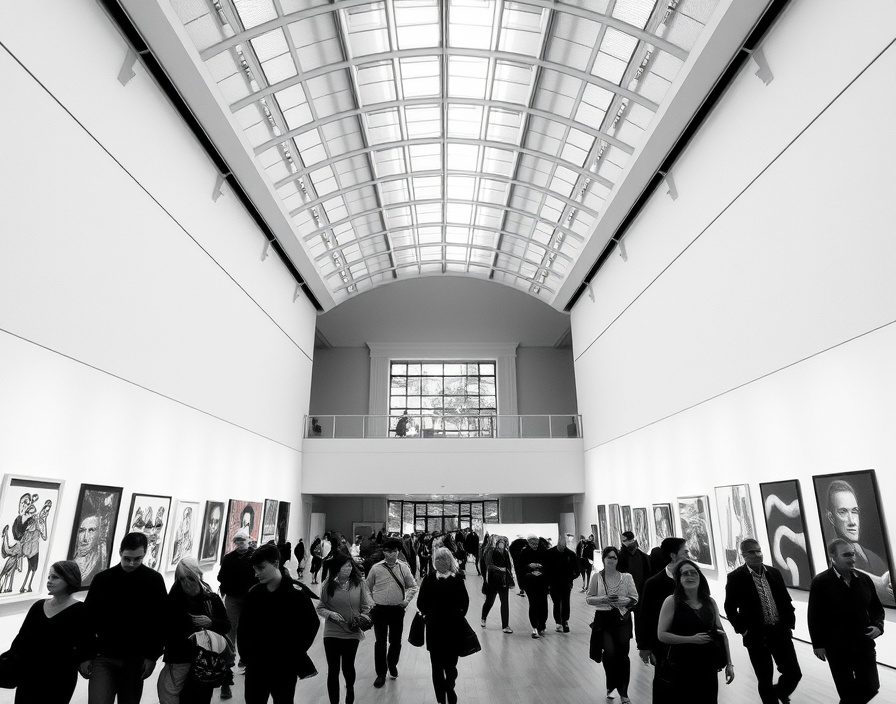
Tate Modern occupies a converted power station on the South Bank and holds the UK's collection of international modern and contemporary art, with general admission free in the same way as the British Museum. Its location directly on the river, a short walk from Borough Market and across the Millennium Bridge from St Paul's, puts it inside the South Bank cluster rather than requiring a separate cross-town trip.
The building itself — particularly the vast Turbine Hall, which hosts large-scale installations — is often as much of a draw as the collection, and it's one of the few major gallery spaces in London where visitors can walk in without a booked slot for the permanent collection. Special ticketed exhibitions inside the building do sell timed entry separately, so the free-versus-paid distinction applies within Tate Modern itself, not just between it and other sights.
Houses of Parliament
The Houses of Parliament, the seat of the UK's legislature, sits beside the Elizabeth Tower that houses Big Ben and is one of the most photographed buildings in London without necessarily being one of the most visited from the inside. Public tours of the interior run on a limited schedule tied to parliamentary recess periods, which makes this one of the sights where "book ahead" genuinely applies rather than being generic advice, since tours aren't available on a walk-up basis the way a park or a market is.
For most visitors the building functions as an exterior sight — photographed from Westminster Bridge or Parliament Square alongside Big Ben — rather than a ticketed interior visit, and that's a reasonable way to treat it on a day that's already covering Westminster Abbey and Buckingham Palace on foot. Anyone who specifically wants the interior tour needs to check the current parliamentary calendar before building a day plan around it, since availability is tied to when the House is sitting rather than to a fixed tourist season.
London markets
London's markets are the sights every guide's heading set mentions but few actually compare against each other, and the differences between them matter more than their shared billing as "markets" suggests.
| Market | Known for | Typical draw | Cost to browse |
|---|---|---|---|
| Borough Market | Food stalls, produce, prepared meals | South Bank cluster, near Tate Modern | Free entry, pay per item |
| Camden Market | Alternative fashion, crafts, street food | North London, standalone trip | Free entry, pay per item |
| Portobello Road | Antiques, vintage goods | West London, busiest on Saturdays | Free entry, pay per item |
Borough Market's advantage is location: it sits inside the same South Bank cluster as Tate Modern and Tower Bridge, so it slots into a day already built around those sights rather than needing a dedicated trip. Camden and Portobello Road are worth the separate journey for visitors specifically interested in vintage clothing, crafts or antiques, but they don't fit naturally into a Westminster or Bloomsbury day, and treating them as an add-on to an already packed itinerary usually means cutting something else.
All three cost nothing to enter and browse, which makes them a useful substitute for a paid attraction that's been cut from a day plan — a market visit fills the same block of time as a middling paid sight, without the admission fee or the timed ticket.
Building the day around what's actually free
The clearest way to keep a London trip both full and affordable is to treat free national museums and markets as the backbone of each day, then add one paid headline sight per day rather than several. A day built this way — say, Westminster Abbey and the Houses of Parliament's exterior in the morning, lunch near St James's Park, and the Tower of London in the afternoon with a pre-booked timed slot — covers a paid sight, a free church, and open-air walking without the transfer time or the cost of trying to fit five separate paid attractions into the same day.
The next step for a specific trip is to fix the number of days available, assign one geographic cluster to each day, and check which sights in that cluster actually sell timed tickets before deciding what needs booking in advance and what can be a walk-up.